A bright, white smile is one of the most sought-after cosmetic treatments. But with so many products and methods available — from pharmacy strips to professional bleaching — it can be hard to know which option is right for you.
Professional In-Clinic Whitening
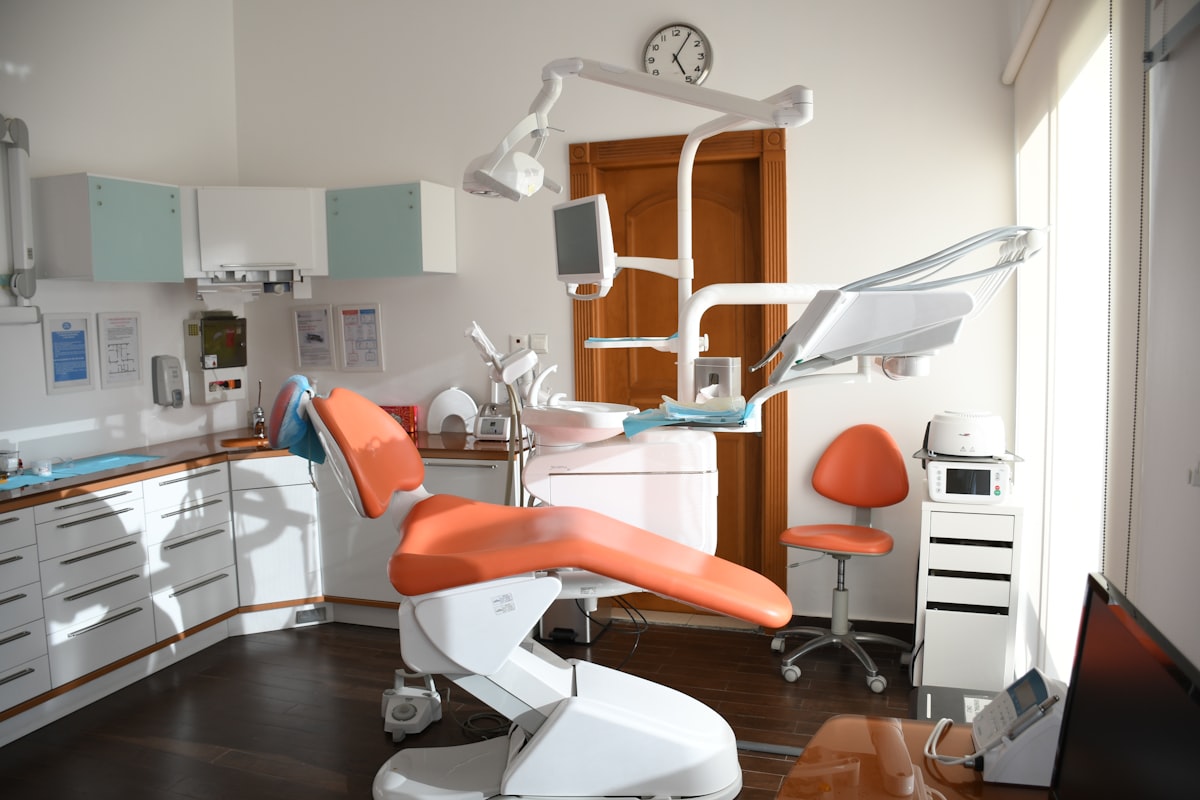
Professional whitening uses higher-concentration bleaching agents applied under controlled conditions. Results are immediate, dramatic and safe. A single session can lighten teeth by several shades, and your dentist can customise the treatment to avoid sensitivity.
At-Home Whitening Options
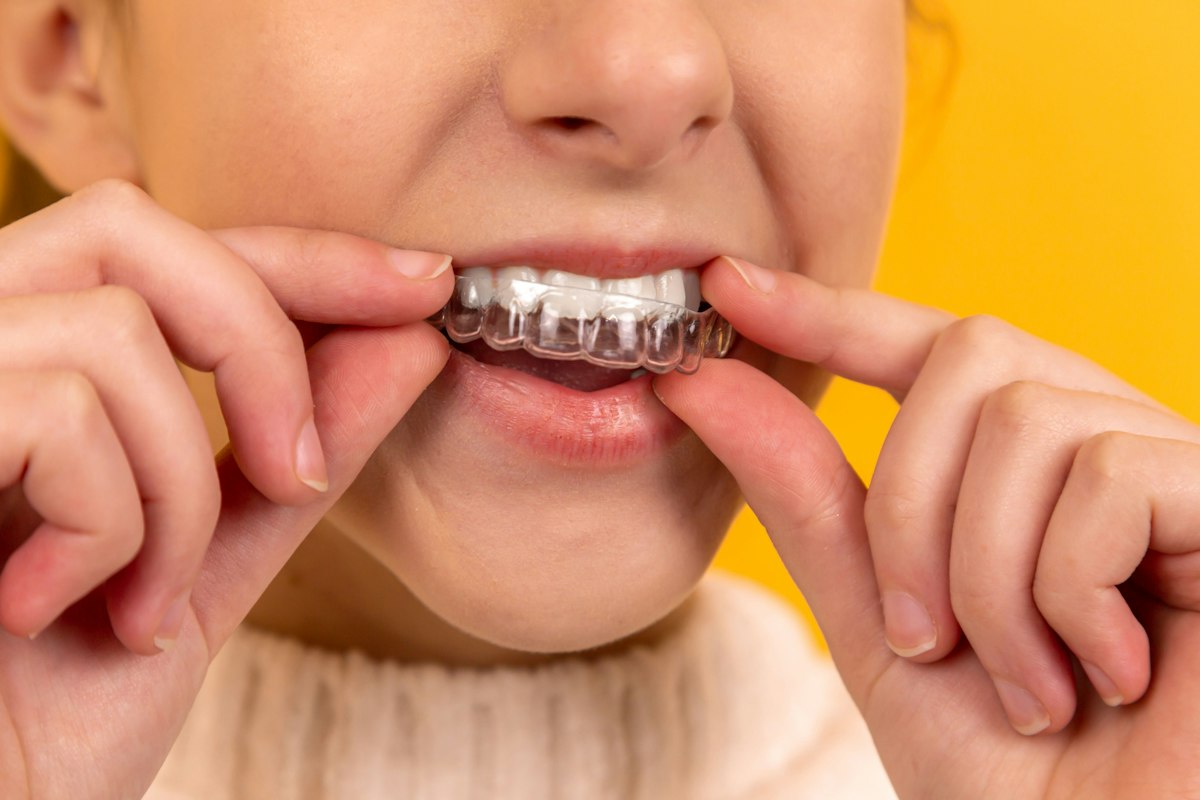
Over-the-counter whitening strips, gels and trays use lower concentrations of bleaching agents. They can be effective for mild staining but take longer to show results and carry risks of uneven whitening or gum irritation if not used correctly.
- Professional whitening: 1–2 sessions, immediate results, dentist-supervised safety.
- At-home strips: 2–4 weeks of daily use, gradual results, risk of sensitivity.
- Whitening toothpaste: Minimal effect on deep stains, good for maintenance.
- Charcoal products: No proven benefit, may damage enamel — not recommended.
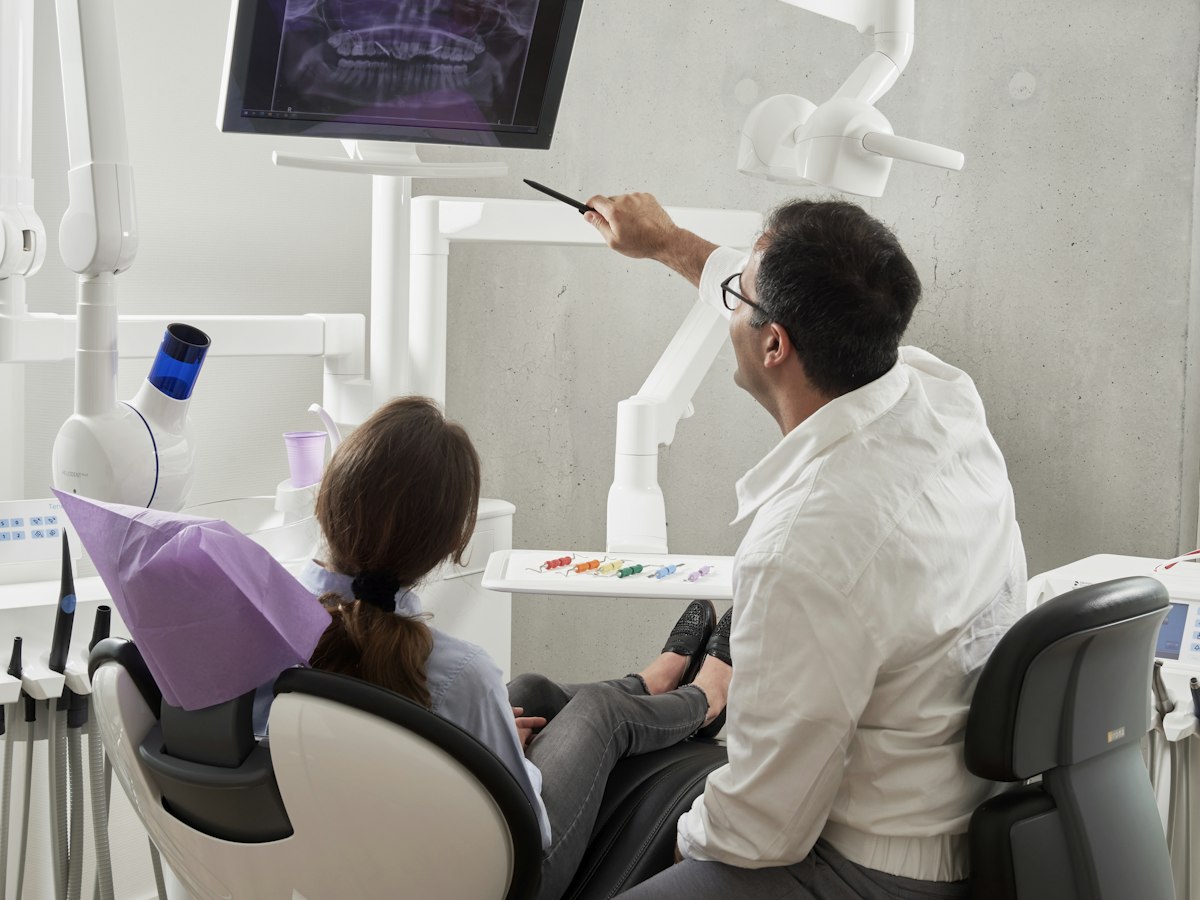
Always consult your dentist before whitening. Some stains (like those from medications) don't respond to bleaching, and whitening isn't suitable for everyone — especially if you have untreated cavities or gum disease.
Professional whitening isn't just about getting whiter teeth — it's about getting safe, predictable results that protect your enamel.
— Dr. Shamsullah
Maintaining Your Results
After whitening, avoid staining foods and drinks (coffee, tea, red wine) for 48 hours. Regular brushing, flossing and professional cleanings will help maintain your results for months to come.