If you've been told you lack sufficient bone for dental implants, don't lose hope. Bone grafting is a well-established procedure that rebuilds the jawbone, creating a solid foundation for implants — even in cases where significant bone loss has occurred.
Why Does Bone Loss Happen?
When a tooth is lost or extracted, the surrounding jawbone begins to resorb — essentially shrinking because it no longer has a tooth root to stimulate it. The longer a tooth is missing, the more bone is lost. Gum disease can also accelerate bone loss around remaining teeth.
Types of Bone Grafts
- Autograft — bone taken from another area of your own body (the gold standard).
- Allograft — processed human donor bone from a tissue bank.
- Xenograft — bone derived from animal sources (commonly bovine), which acts as a scaffold.
- Synthetic graft — man-made biocompatible materials that promote natural bone regeneration.
The Bone Grafting Procedure
The procedure is typically performed under local anaesthesia. Your surgeon places the grafting material into the area of bone deficiency and covers it with a membrane to protect it during healing. Over several months, your body gradually replaces the graft material with your own natural bone.
- The area is numbed and a small incision is made in the gum.
- Grafting material is carefully placed into the area of bone loss.
- A protective membrane is placed over the graft site.
- The gum is sutured closed over the graft.
- Healing takes 4–9 months as new bone integrates with the graft.
- Once sufficient bone has regenerated, implants can be placed.
At Saeed Dental, we use the latest grafting materials and techniques, including PRF (Platelet-Rich Fibrin) to accelerate healing and improve outcomes. Our experience with complex cases means even severe bone loss can often be addressed.
Bone grafting has transformed implant dentistry. Patients who were once told implants were impossible can now enjoy the stability and confidence of fixed teeth.
— Dr. Shamsullah
Is Bone Grafting Right for You?
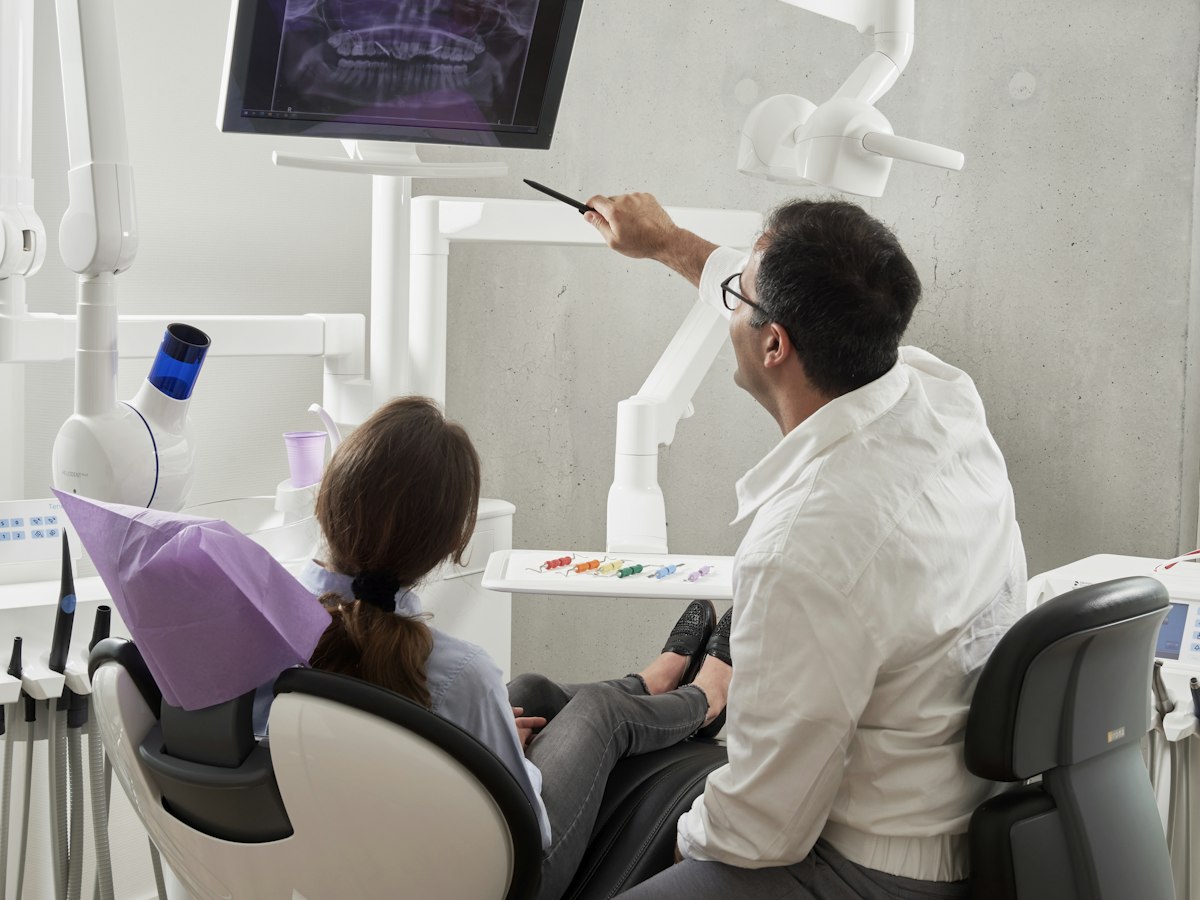
A detailed assessment including 3D imaging will determine whether you need a bone graft and which type is best suited to your case. At Saeed Dental & Implant Center, we've successfully performed bone grafts for hundreds of patients, enabling them to receive implants they were previously told weren't possible.